
West Bengal has entered a historic new chapter.
With the swearing-in of Suvendu Adhikari as the Chief Minister of West Bengal in 2026, the political landscape of the state has undergone one of its most significant transitions in decades. For the first time in Bengal’s history, a leader from the Bharatiya Janata Party has taken charge of Nabanna, marking the beginning of a completely new political phase for millions across the state.
For supporters of change, this moment represents hope, renewal, and the promise of a different direction. For political observers, it reflects the dramatic transformation of Bengal’s electoral and ideological landscape over the past several years.
But beyond party lines and election slogans, one thing is undeniable — Suvendu Adhikari’s rise to the top has been a long and eventful political journey built through grassroots movements, district-level organization, electoral battles, and years of public engagement across Bengal.
Today, as he assumes office as Chief Minister, expectations are immense.
People across Bengal are now looking toward the future — hoping for stronger infrastructure, improved employment opportunities, industrial growth, safer communities, modern healthcare, and a more development-driven administration.
From Kanthi to Kolkata: The Rise of Suvendu Adhikari
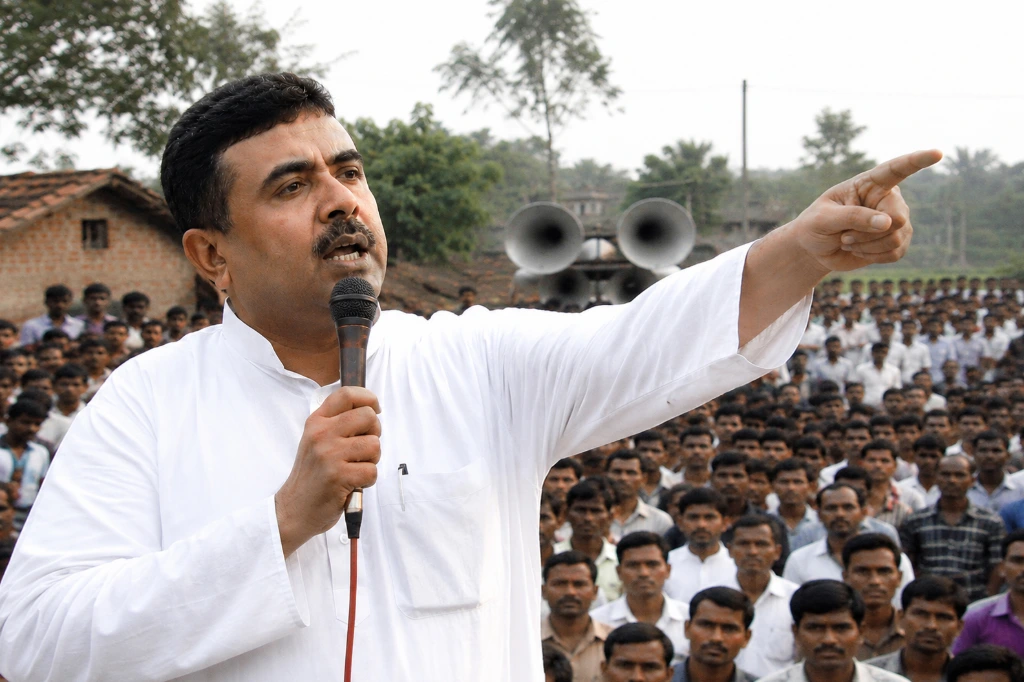
Born on 15 December 1970 in Purba Medinipur district, Suvendu Adhikari grew up in a politically active family. His father, Sisir Adhikari, was an influential political figure and former Union Minister, which exposed him to public life from an early age.
However, Suvendu’s own political journey was not built overnight.
He began his career at the grassroots level, first serving as a councillor in Kanthi Municipality during the 1990s before gradually expanding his influence across East Midnapore and other districts. Over the years, he developed a reputation as a highly active field-level organizer — someone deeply connected with local political networks and mass mobilization.
His major breakthrough came during the Nandigram movement of 2007.
At a time when land acquisition protests were reshaping Bengal’s political atmosphere, Suvendu Adhikari emerged as one of the central faces of the movement. His leadership during the anti-land acquisition protests in Nandigram significantly elevated his political visibility across the state and helped reshape the course of Bengal politics in the years that followed.
Many political analysts believe that the events of Nandigram became one of the turning points that eventually ended the long Left Front era in West Bengal.
A Leader Built Through Electoral Battles
Unlike many leaders who rise through organizational appointments alone, Suvendu Adhikari’s political career has largely been shaped through elections and direct public support.
Over the years, he successfully contested both Assembly and Lok Sabha elections, representing constituencies such as Kanthi Dakshin, Tamluk, Nandigram, and later Bhabanipur.
His victory against Mamata Banerjee in Nandigram during the 2021 Assembly election became one of the most talked-about political moments in recent Bengal history.
That election established him not just as a regional leader, but as one of the BJP’s strongest political faces in Eastern India.
Following the 2021 election, he served as the Leader of Opposition in the West Bengal Assembly from 2021 to 2026, becoming one of the most vocal critics of the ruling administration during that period.
Now, in 2026, the political story has come full circle.
After winning both Nandigram and Bhabanipur in the Assembly elections, Suvendu Adhikari was elected leader of the BJP legislative party and officially sworn in as Chief Minister of West Bengal on 9 May 2026 at Brigade Parade Ground in Kolkata.
The moment was historic not only for his supporters, but for Bengal’s political history itself.
Expectations from the New Government

With power comes responsibility — and the expectations from the new administration are enormous.
For years, Bengal’s political discourse has been dominated by intense ideological battles and highly polarized electoral campaigns. Now, many citizens hope the focus will gradually shift toward governance, investment, jobs, healthcare, infrastructure, and long-term economic growth.
Young job seekers want employment opportunities.
Small business owners want stability and industrial revival.
Families want safer neighborhoods and improved public services.
Students want better educational infrastructure and future opportunities within the state itself.
The new government has already announced several major decisions during its initial cabinet meetings, including the implementation of Ayushman Bharat in West Bengal and changes related to administrative and recruitment policies.
Whether these decisions create long-term impact will ultimately depend on execution, transparency, and public trust.
But politically, the message is clear — Bengal is entering a different administrative era.
Beyond Politics: The Emotional Mood Across Bengal
Every major political transition in Bengal carries emotion.
This is a state where politics is deeply connected with identity, ideology, history, and everyday public conversations. Generations of Bengalis have witnessed dramatic political shifts — from Congress dominance to Left rule, from the rise of Trinamool Congress to now the emergence of BJP-led governance.
For many BJP supporters in Bengal, Suvendu Adhikari’s appointment as Chief Minister represents the culmination of years of political struggle and organizational expansion across the state.
For others, it represents curiosity about what comes next.
And for neutral citizens, the hope remains simple: that governance improves and everyday life becomes better.
Because beyond slogans and party symbols, ordinary people ultimately care about development, opportunity, safety, roads, healthcare, education, transport, and economic progress.
If the new administration succeeds in strengthening these areas, Suvendu Adhikari’s tenure could become one of the defining political chapters in modern Bengal history.
A Defining Test of Leadership
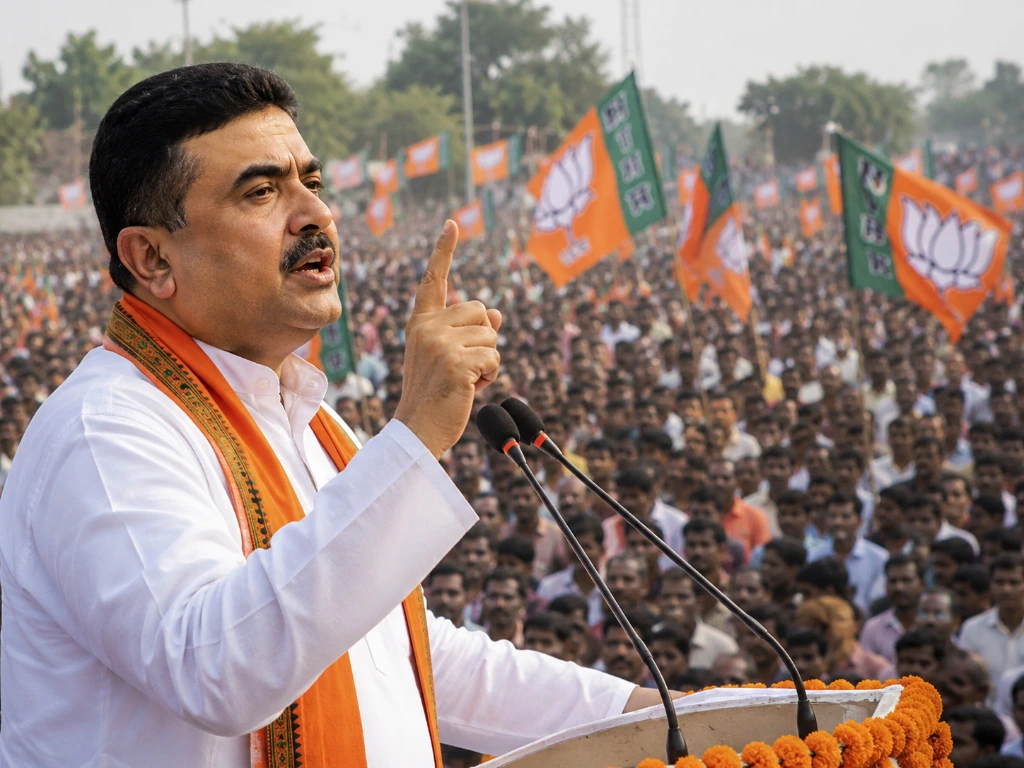
History often remembers leaders not only for how they rise, but for what they achieve after reaching power.
Suvendu Adhikari’s political journey has already been dramatic — from municipal politics to mass movements, from Parliament to opposition leadership, and now to the Chief Minister’s office.
But the real challenge begins now.
Running a politically complex and culturally influential state like West Bengal requires more than electoral success. It demands administrative discipline, inclusive governance, economic vision, crisis management, and the ability to inspire confidence among people from all backgrounds.
The coming years will determine how this new chapter is ultimately remembered.
For now, one thing is certain:
West Bengal stands at the beginning of a major political transition, and millions will be watching closely to see how the new government shapes the future of the state.
No Noise extends its best wishes to Chief Minister Suvendu Adhikari and hopes that this new era brings growth, stability, opportunity, and meaningful development for every citizen of West Bengal.