
For football fans, the UEFA Champions League final is more than just another match. It is the stage where seasons are defined, legacies are built, and clubs can change their place in history forever.
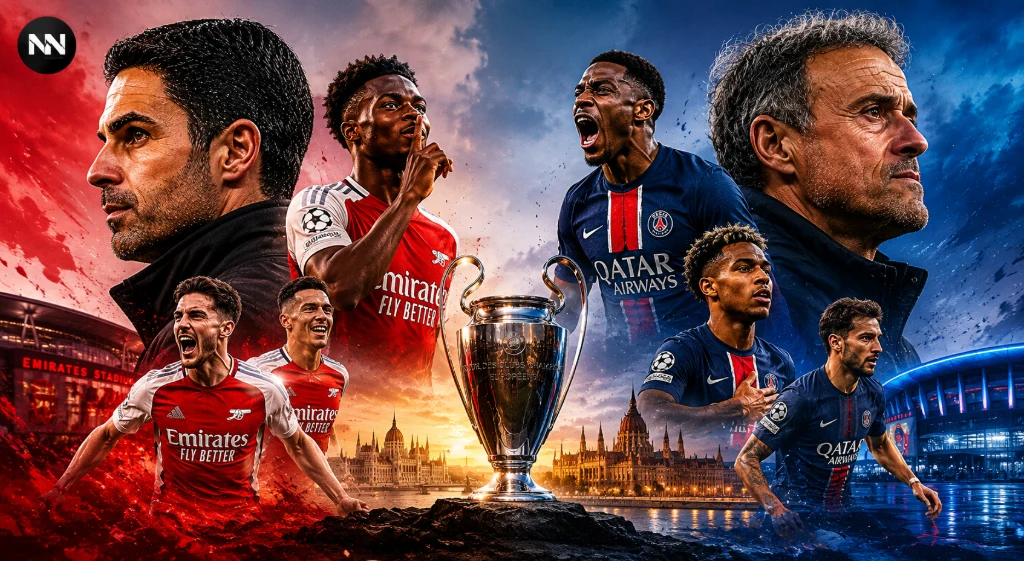
This year's Champions League final between Arsenal and Paris Saint-Germain is particularly fascinating because it is not simply a battle between two elite teams. It is a clash between two footballing philosophies, two long-term projects, and two clubs that have taken very different routes to reach European football's biggest stage.
Arsenal arrive as newly crowned Premier League champions, ending a 22-year wait for England's biggest domestic prize. PSG, meanwhile, are attempting something even rarer: defending their Champions League crown and establishing themselves as the dominant force of a new era.
Why the Champions League Final Matters More Than Any Other Club Match
Domestic titles are won every season, but Champions League trophies define generations.
For clubs across Europe, success in the Champions League carries a level of prestige that often surpasses even domestic achievements. The competition brings together the strongest teams from different leagues, forcing clubs to prove themselves against a variety of tactical styles, playing cultures and footballing traditions.
Winning the Champions League can transform a club's global reputation, commercial value and historical standing. It is why clubs invest hundreds of millions of euros chasing a trophy that only one team can lift each year.
This is also why Arsenal's appearance in the final matters so much. While the club has enjoyed domestic success throughout its history, the Champions League remains the one major prize that has always eluded them.
Arsenal's Long Road Back to Europe's Biggest Stage

For Arsenal supporters, this final represents the culmination of years of rebuilding.
After coming close several times under Mikel Arteta, Arsenal finally captured the Premier League title and returned to the summit of English football. Their Champions League campaign has reflected the same qualities that have defined their domestic success: discipline, organisation and consistency.
Remarkably, Arsenal reached the final without suffering a defeat in the competition. Their defensive structure has been among the strongest in Europe, conceding very few goals while maintaining control of matches through possession and intelligent positioning.
What makes Arsenal particularly dangerous is that they rarely rely on chaos. Instead, they focus on creating small advantages through tactical discipline, pressing structures and well-rehearsed set pieces.
For a club still searching for its first Champions League title, this final represents an opportunity to complete one of the most impressive rebuilding projects in modern football. As highlighted by Al Jazeera Sport, Arsenal's unbeaten journey to the Champions League final has been one of the defining stories of this season's competition.
How PSG Reinvented Themselves After the Superstar Era
Not long ago, PSG's identity was built around superstar names.
The club assembled some of football's biggest stars, including Lionel Messi, Neymar and Kylian Mbappé, hoping individual brilliance would deliver European glory. Yet the Champions League remained frustratingly out of reach.
Ironically, PSG finally achieved their breakthrough after moving away from that model.
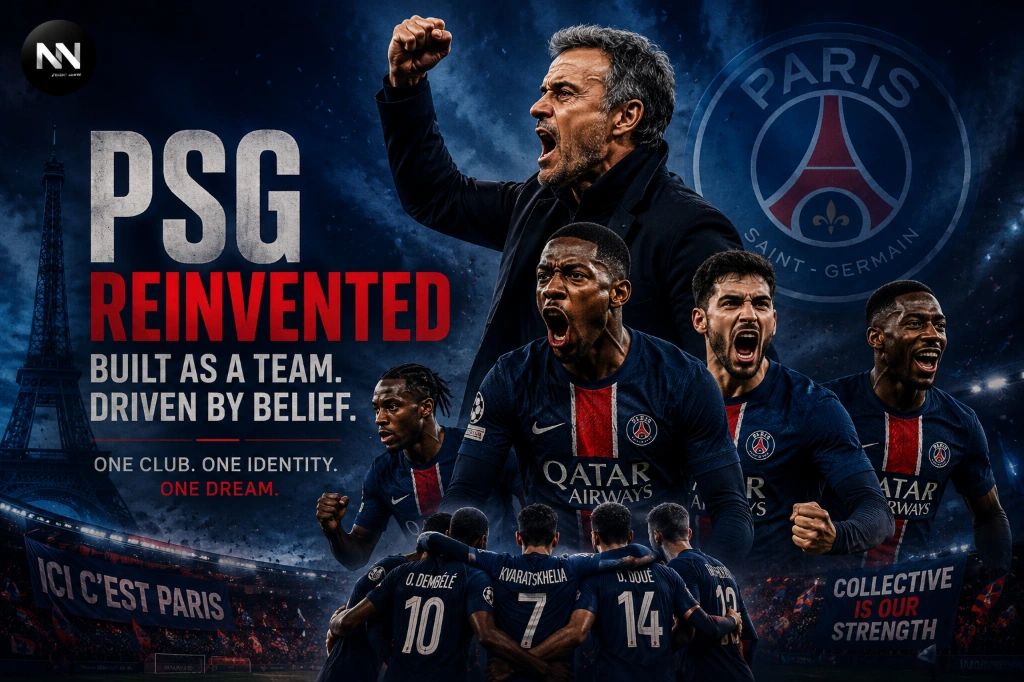
Under Luis Enrique, PSG have evolved into a more balanced and collective team. The emphasis has shifted from individual celebrity to tactical cohesion, fluid movement and intelligent pressing.
Players such as Ousmane Dembélé, Khvicha Kvaratskhelia and Désiré Doué have become symbols of a new PSG. Rather than relying on a single superstar, the team attacks as a coordinated unit.
That transformation helped PSG lift their first Champions League trophy and now places them on the verge of becoming one of the few clubs in modern history to successfully defend the title.
Best Defence vs Best Attack
One of the most compelling aspects of this Champions League final is the contrast in styles.
Arsenal have built their success on defensive solidity. Their ability to control games without the ball, limit opposition chances and remain compact has made them one of Europe's toughest teams to break down.
PSG, on the other hand, have become one of the competition's most explosive attacking teams.
Their fluid forward line constantly rotates positions, creating confusion for defenders and opening spaces across the pitch. Players drift between roles, making it difficult for opponents to establish clear defensive assignments.
According to analysis published by BBC Sport, Arsenal's challenge will be finding the right balance between maintaining defensive structure and applying enough pressure to disrupt PSG's attacking rhythm.
The final may ultimately be decided by which philosophy imposes itself more effectively.
Mikel Arteta and Luis Enrique: Different Routes to the Same Destination

Perhaps the most interesting story behind the final is the contrast between the two managers.
As reported by ESPN, Luis Enrique described the situation perfectly when he said that Arsenal and PSG had taken "different routes to the same destination."
Arsenal's rise has been built on structure, patience and incremental improvement. Arteta has spent years refining his system, developing young players and gradually transforming Arsenal into champions.
PSG's journey has been different. Luis Enrique inherited a club desperate for European success and reshaped it into a team capable of competing with anyone in the world.
Both coaches believe in attacking football, but they approach it in different ways.
Arteta's Arsenal often prioritise control.
Enrique's PSG prioritise fluidity.
One seeks order. The other embraces movement.
Yet both have arrived at the same destination: the Champions League final.
Why Set Pieces Could Decide the Final
Modern football increasingly rewards teams that can maximise every phase of the game, and Arsenal have become one of Europe's best set-piece teams.
Corners and free kicks are no longer secondary weapons. They are now a major part of Arsenal's attacking identity.
Several tactical analysts have pointed out that PSG occasionally struggle against aerial deliveries and back-post routines. Arsenal's ability to create danger from dead-ball situations could therefore become one of the defining factors of the match.
In finals, where margins are often incredibly small, a single set piece can make the difference between triumph and heartbreak.
What Winning the Champions League Would Mean

The significance of victory differs for each club.
For Arsenal, it would finally remove the one major gap in the club's modern history. It would validate Arteta's project and place this team alongside the greatest sides the club has ever produced.
For PSG, victory would mean something entirely different.
It would confirm that their transformation has worked.
More importantly, it would establish PSG as more than a wealthy club chasing success. Consecutive Champions League titles would place them among the elite dynasties of European football and prove that their success is sustainable.
The Bigger Story Behind This Champions League Final
When the final whistle blows in Budapest, one team will lift the trophy.
But regardless of the result, this Champions League final already tells a larger story about modern football.
Arsenal demonstrate the value of patience, planning and long-term development.
PSG demonstrate the power of adaptation and reinvention.
Their journeys have been different. Their philosophies remain different.
Yet both clubs have arrived at the same destination: football's biggest club match.
That is what makes this Champions League final more than a contest for a trophy. It is a meeting of two visions for how modern football success can be built.