
A new geopolitical flashpoint is emerging in the Middle East after former US President Donald Trump reportedly linked the future expansion of the Abraham Accords to a broader regional arrangement involving Iran. The development has already sparked sharp reactions from Pakistan and raised fresh questions about the fragile balance of power across West Asia.
According to current reports published by Reuters, Trump has been exploring the possibility of reviving and expanding the Abraham Accords framework as part of a larger diplomatic strategy aimed at reshaping regional alliances.
However, the proposal has quickly run into resistance from multiple stakeholders, including Pakistan, which publicly objected to any arrangement perceived as pressuring Islamic nations into a wider normalization process tied to Iran.
What Are the Abraham Accords?
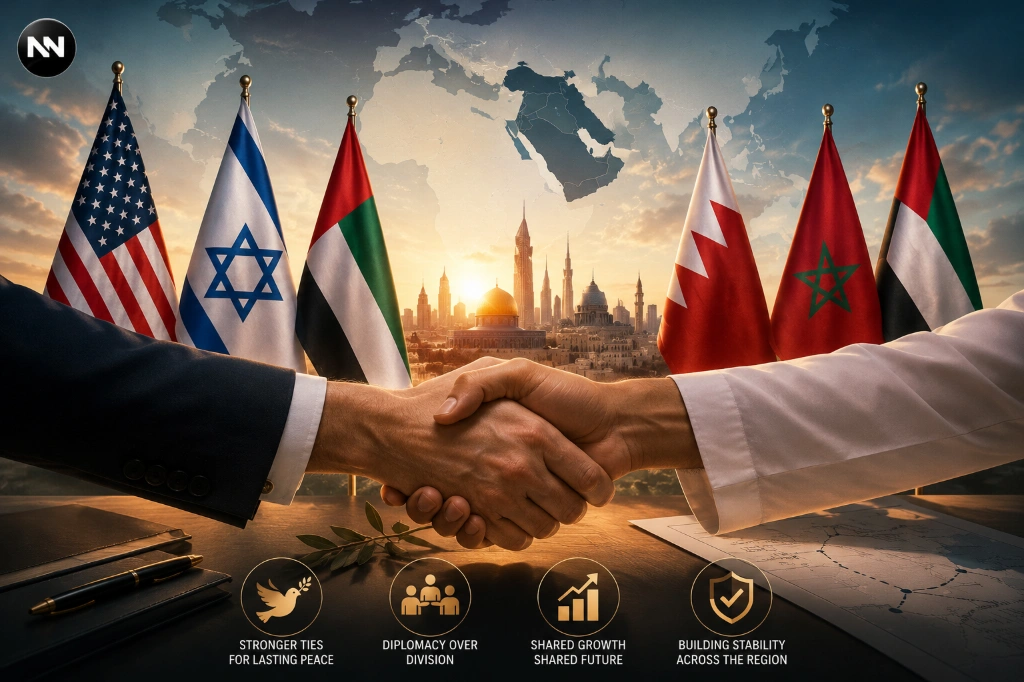
The Abraham Accords were first introduced in 2020 during Donald Trump’s presidency and marked a historic diplomatic breakthrough in the Middle East.
The agreements led to the normalization of relations between Israel and several Arab nations, including the United Arab Emirates and Bahrain, later expanding to include Morocco and Sudan.
At the time, supporters described the accords as a transformational moment capable of reshaping decades of hostility in the region. Critics, however, argued that the framework largely bypassed the Palestinian issue and prioritized strategic alliances over long-term political resolution.
Now, years later, Trump appears eager to revive the momentum surrounding the accords as geopolitical tensions involving Iran, Israel, Saudi Arabia, and the United States continue to intensify.
Pakistan Publicly Rejects Trump’s Proposal
One of the strongest reactions came from Pakistan.
According to a report published by NDTV, Pakistan’s Defence Minister Khawaja Asif described the proposal as “not acceptable,” signaling Islamabad’s discomfort with any diplomatic structure that could indirectly pressure Muslim-majority nations into strategic alignment with Israel under US influence.
The reaction highlights the deeply sensitive political and ideological dimensions surrounding the Abraham Accords across parts of the Islamic world.
Pakistan has historically refused to formally recognize Israel and has consistently maintained that any normalization process must include a just resolution to the Palestinian issue.
Khawaja Asif’s remarks also reflect growing concern within Islamabad about shifting regional equations involving Saudi Arabia, Iran, Israel, and the United States.
Why Iran Remains Central to the Debate
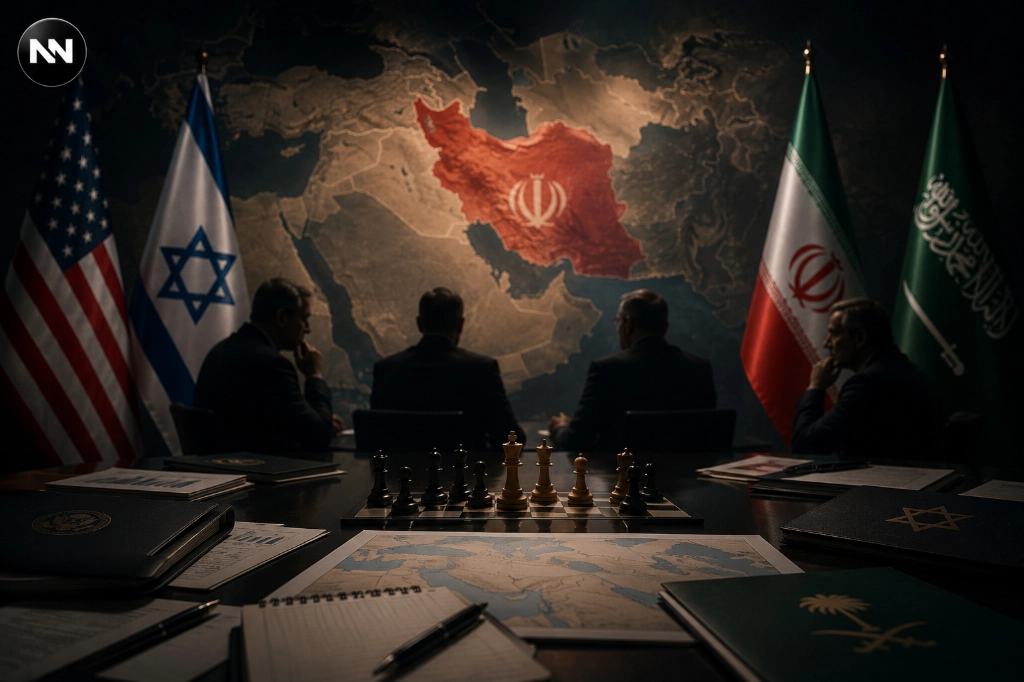
At the heart of the controversy lies Iran.
Trump’s reported attempt to connect future Abraham Accords expansion with a broader Iran-related framework is being viewed by analysts as part of a larger effort to isolate Tehran diplomatically while strengthening regional cooperation among US-aligned powers.
However, this strategy faces major obstacles.
Iran remains deeply influential across the Middle East through its regional alliances and proxy networks. Any diplomatic arrangement perceived as targeting Tehran risks escalating tensions rather than reducing them.
According to analysis published by The Hindu, resistance to the expansion push stems from fears that the accords could increasingly evolve into a security-oriented bloc aimed at countering Iran instead of serving purely as a peace initiative.
This perception has complicated efforts to bring additional Muslim-majority nations into the framework.
Saudi Arabia’s Position Remains Crucial
Much of the global attention now revolves around Saudi Arabia.
For years, analysts have viewed Saudi normalization with Israel as the most significant potential breakthrough for the Abraham Accords project. However, the kingdom has remained cautious, especially amid heightened regional instability and public sensitivity surrounding Gaza and Palestinian statehood.
Saudi Arabia’s balancing act has become increasingly delicate:
- maintaining strategic ties with Washington,
- managing regional competition with Iran,
- preserving leadership within the Islamic world,
- and responding to domestic and regional public opinion.
Any abrupt diplomatic shift could trigger political backlash both internally and across the broader Middle East.
This is one reason why attempts to rapidly expand the Abraham Accords continue to face resistance despite strong US diplomatic interest.
Trump’s Middle East Strategy Returns to Global Focus
Donald Trump’s renewed engagement with the Abraham Accords also reflects his broader foreign policy positioning ahead of the evolving American political landscape.
During his presidency, Trump frequently portrayed the accords as one of his administration’s greatest diplomatic achievements. Reviving the initiative now allows him to reinforce his image as a dealmaker capable of reshaping global alliances.
At the same time, critics argue that the geopolitical realities of 2026 are far more complicated than they were during the original agreements.
The Middle East today faces:
- ongoing Gaza tensions,
- deepening Iran-Israel hostility,
- rising regional polarization,
- shifting Saudi calculations,
- and growing uncertainty surrounding US foreign policy priorities.
In such an environment, expanding normalization agreements has become significantly more difficult.
A Region Still Searching for Stability
The renewed debate surrounding the Abraham Accords ultimately reflects a larger truth about the Middle East: the region remains caught between diplomacy, rivalry, ideology, and strategic survival.
While some governments view normalization as a pathway toward economic cooperation and regional security, others fear it risks sidelining unresolved political realities, particularly the Palestinian issue and escalating confrontation with Iran.
Pakistan’s strong reaction demonstrates how emotionally and politically charged the issue continues to remain across the Muslim world.
For now, Trump’s push to revive and expand the Abraham Accords has once again placed the future of Middle Eastern diplomacy under intense international scrutiny — but whether the region is truly ready for another transformational realignment remains uncertain.